My Mother-in-Law Said Caring for Our Sick Baby Was “the Mother’s Job”—But What I Did Next Left Her Speechless
Our daughter June was only four months old when her fever suddenly climbed to 104°F.
My name is Rachel Donnelly, and I’m a nurse practitioner. After six years of working in emergency medicine, I knew exactly how dangerous such a high fever could be for an infant.
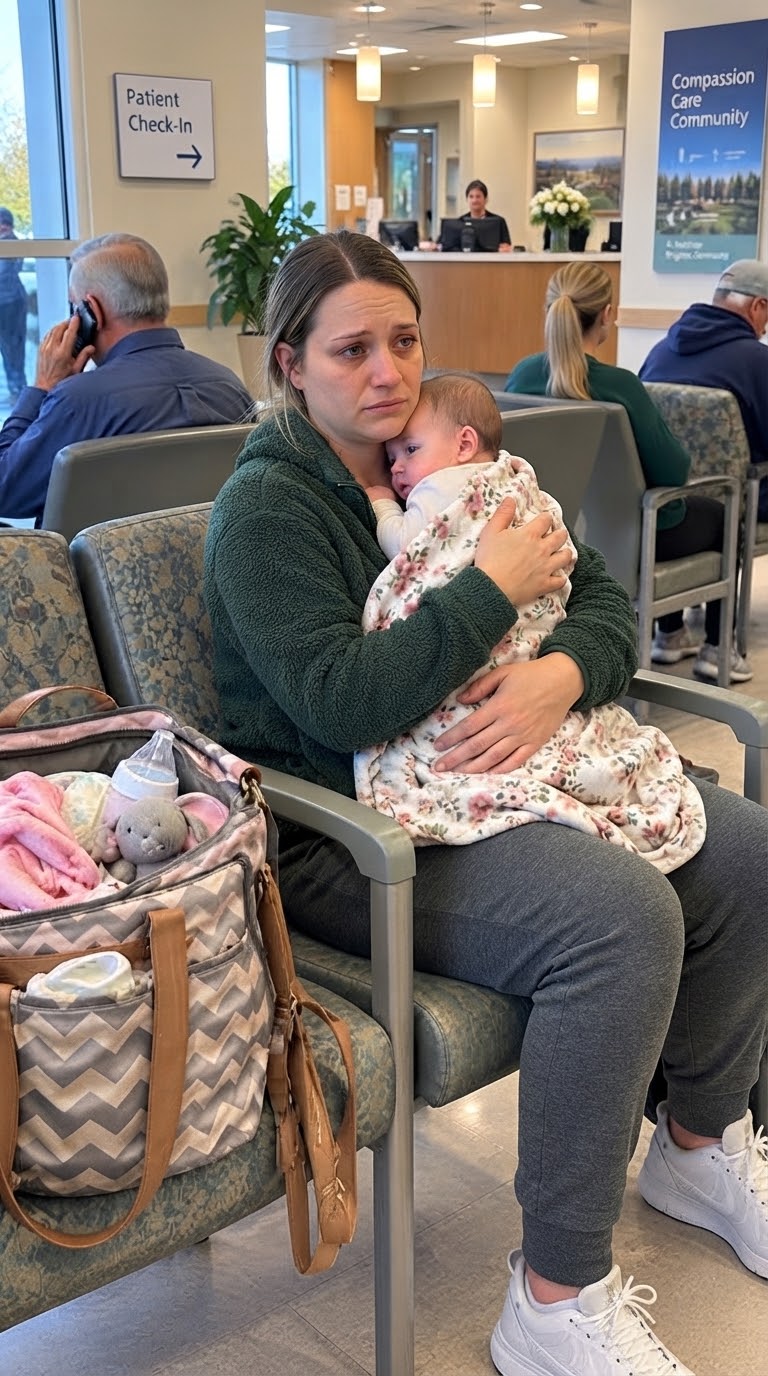
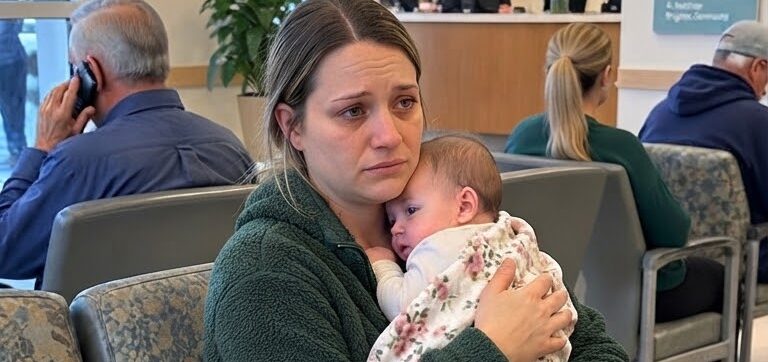
There was no question about what we needed to do. We took June to the emergency room.
My husband, Ethan, had once been an incredibly involved father. But after returning to work, something gradually changed.
Whenever he was tired or overwhelmed, his exhaustion became a reason for me to take over.
And his mother, Sylvia, only encouraged that behavior.
Ethan was her only child, and whenever he faced something difficult, Sylvia had a habit of stepping in and making sure he didn’t have to deal with it himself.
That night, however, our daughter was the one who needed us.
It was around two in the morning when Ethan glanced at the clock in the ER waiting room.
“I have a major presentation at nine,” he said.
“I know,” I replied. “But June has a 104-degree fever. We need to stay until the doctors are finished.”
He didn’t argue. He simply walked a few steps away and started making phone calls.
About twenty minutes later, Sylvia arrived. She had driven nearly forty minutes in the middle of the night.
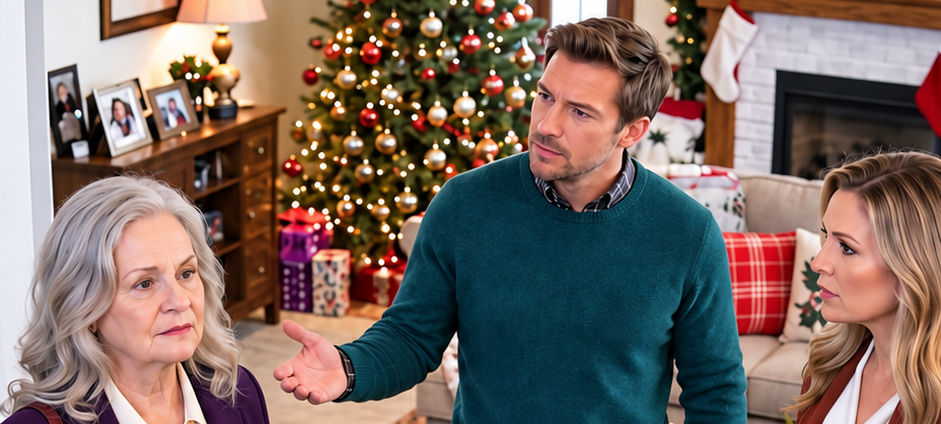
Without asking how June was doing, she picked up Ethan’s coat.
“Come on,” she told him. “I’m taking you home. You need to sleep before your presentation.”
For a moment, I couldn’t believe what I was hearing. “Sylvia, we’re here because your granddaughter is seriously ill.”
She looked at me without much sympathy.
“He didn’t sign up for this kind of stress,” she said. “You’re her mother. You can handle it.”
Something inside me went completely still. I turned toward Ethan.
“You called your mother so she could take you home because you’re tired?” He hesitated. “My presentation starts at nine.”
“And June has a 104-degree fever,” I replied. “She doesn’t care what time your presentation starts. She needs both of her parents here.”
Sylvia started to defend him, but I stopped her.
“I know you love your son,” I said. “But every time you rescue him from something difficult, you make it easier for him to walk away instead of learning how to stay.”
For several seconds, Ethan said nothing. Then, unexpectedly, he looked at his mother.
“Mom… she’s right.” Sylvia froze. Ethan swallowed hard. “I asked you to come because I wanted an escape. I didn’t actually need help.”
He looked down at June, who was sleeping against my chest.
“I’ve been using my job and my exhaustion as excuses. Rachel keeps taking on more because I keep stepping back.”
Then he faced his mother.
“I don’t want to be a thirty-three-year-old man calling his mother from an emergency room because taking care of his sick baby is inconvenient.”
The expression on Sylvia’s face changed. She didn’t argue. She simply picked up her purse. Before leaving, she quietly apologized to me.
At 3:47 a.m., the doctor finally examined June. The diagnosis was a urinary tract infection.
She was given antibiotics, and we received detailed instructions about monitoring her temperature and watching for any changes.
This time, Ethan stayed. He listened carefully to the doctor. He asked questions. He wrote down the instructions.
Then he called his boss and explained that there had been a medical emergency involving his daughter.
His presentation was rescheduled. No disaster happened at work.
When we finally got home, Ethan took over caring for June so I could sleep. I slept for four hours without waking once.
Later that day, Ethan sat beside me and told me he wanted to take on more responsibility at home—and help more with my mother, who has Parkinson’s disease.
“I’ve been choosing what’s comfortable for me instead of facing what you’re actually dealing with,” he admitted.
Then he asked me something I hadn’t expected. “Why did you make me stay last night? You could have handled the hospital yourself.”
I looked at him. “Because I didn’t want to handle it alone,” I said. “I wanted you to be the kind of father who stays.”
He looked over at June. “I want to become that man.”
“You stayed last night,” I told him. He nodded.
“But I don’t want to become someone who only stays when you’re forced to make me.”
That night didn’t change our marriage on paper.
It didn’t erase every problem we had. But it changed something far more important.
For the first time, Ethan understood that being a father wasn’t about showing up only when it was convenient.
It was about staying when things were frightening, exhausting, and difficult. And that night, he finally chose to stay.