The billionaire’s son was slowly dying inside his own mansion while doctors had no answers — I was only the housekeeper, but I uncovered a toxic secret hidden behind his bedroom walls.
The doors of Lowell Ridge never seemed to open normally. They groaned as they moved, almost as if something ancient were stirring inside the walls.
To everyone outside, the sprawling Westchester mansion represented wealth, influence, and absolute success.
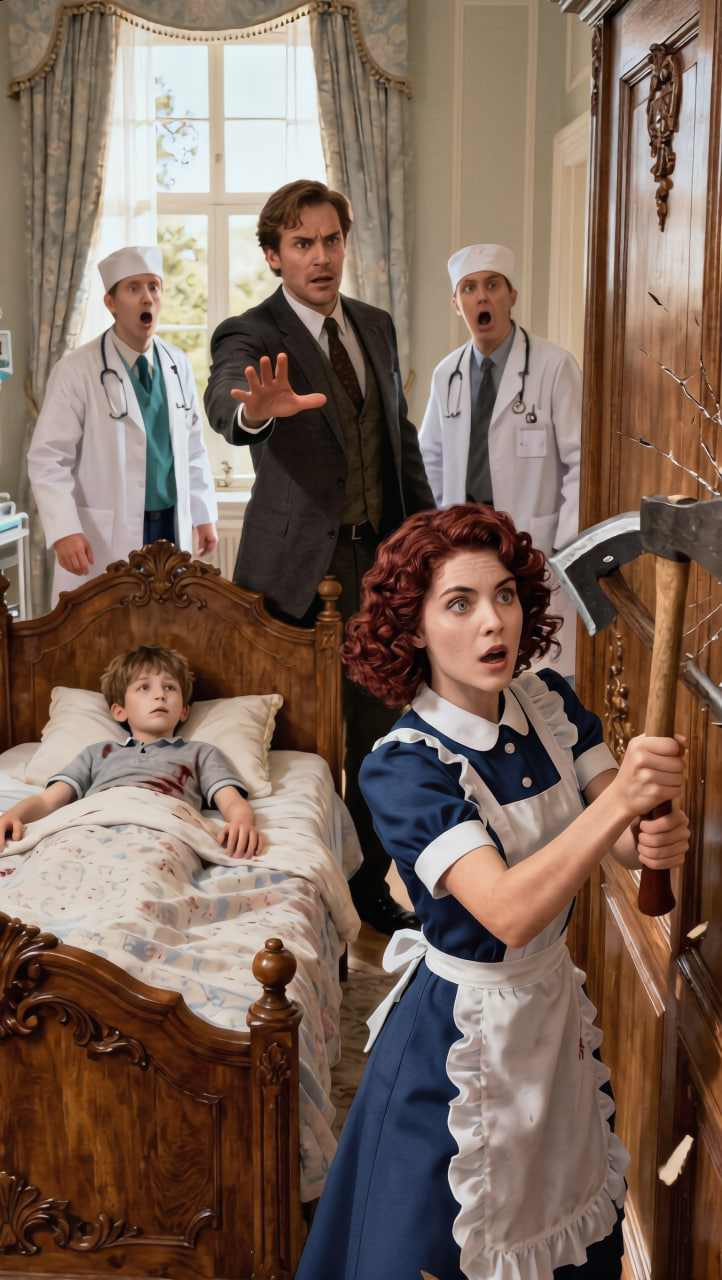
To me, Brianna Flores, it meant one thing: survival. My paycheck kept my younger brother in college and kept debt collectors from knocking on our door.
After four months as the head housekeeper, I had learned the mansion’s true rhythm. Silence. Not the peaceful kind.
This silence felt heavy, almost suffocating, as though the entire house were holding its breath.
The owner, Zachary Lowell, was a billionaire who had built his fortune in technology. He rarely spent time at home.
But whenever he did appear, his eyes always drifted toward the east wing. That was where his eight-year-old son, Oliver, lived. Or where Oliver seemed to be slowly disappearing.
The staff whispered about rare illnesses, failed treatments, and specialists who couldn’t explain what was happening to him.
I didn’t know what diagnosis Oliver had. But I knew something was wrong.
Every morning at exactly 6:10, I heard him coughing behind the silk-lined door of his bedroom. It wasn’t an ordinary cough for a sick child.
It was deep, wet, and painful, as though his lungs were fighting an invisible enemy. One morning, I entered his room to clean. Everything looked flawless.
Heavy velvet curtains covered the windows. The walls were lined with soundproof panels. A sophisticated climate-control system kept the temperature perfectly regulated.
Yet in the center of that luxurious room sat Oliver. He looked painfully small for an eight-year-old. His skin was pale, his eyes were tired, and an oxygen tube rested beneath his nose.
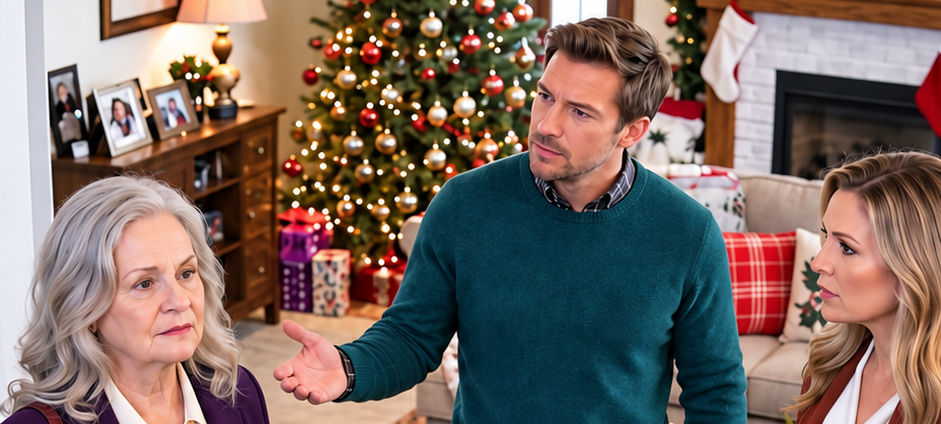
Zachary stood beside his bed, looking exhausted. Then I noticed something I couldn’t explain. The air smelled wrong. There was a strange sweetness mixed with something metallic.
I recognized that smell. I had encountered it years earlier while growing up in poorly maintained apartments in the Bronx. It was the smell of dampness and decay.
That afternoon, Oliver was taken to the hospital for another round of tests. I returned to his bedroom. I knew I shouldn’t have. But I couldn’t stop thinking about that smell.
Behind one of the decorative silk panels, something caught my attention. I touched the wall. It was damp. My fingers came away black.
My heart began pounding. I pulled at the fabric, tearing it away from the wall. And froze. Beneath the elegant covering was a horrifying sight.
Black mold covered the plaster, spreading through the wall like a living stain. Then I noticed something even worse.
A hidden leak in the air-conditioning system had been feeding moisture into the wall for years.
The contaminated air had been circulating through Oliver’s bedroom. He had been breathing it every single day.
Zachary found me standing there. The moment he noticed the smell, his expression changed.
He finally understood.I immediately contacted an independent environmental specialist. Their equipment detected dangerously high levels of contamination.
“This environment could be lethal,” one of the specialists warned. Suddenly, Oliver’s mysterious illness didn’t seem so mysterious anymore.
Years of exposure had been damaging his lungs. The company’s board wanted to make the problem disappear quietly.
They offered money. They suggested confidentiality agreements. They wanted the Lowell family’s reputation protected at any cost. But Zachary refused.
“My son nearly died because people trusted what they could see instead of what was hidden behind the walls,” he said.
Six months later, Lowell Ridge had been completely renovated.
The contaminated materials were removed, the ventilation system was replaced, and every part of the property was thoroughly inspected.
And Oliver? He was outside in the garden. Running. Laughing. Breathing without coughing. His doctors called his recovery remarkable.
Zachary called it something else. “The truth finally came to light.”
He also paid for my training in environmental safety and eventually placed me in charge of inspecting his properties.
One afternoon, as we watched Oliver running across the lawn, Zachary quietly said:
“I built systems that were supposed to change the world. Yet I almost lost my son because I never thought to look behind the walls.”
That sentence stayed with me.
Because sometimes, saving a life doesn’t require a miracle.
Sometimes, it simply requires someone to notice what everyone else has chosen to ignore.
And because we finally allowed that house to breathe…
an eight-year-old boy got the chance to live.